Coving and cornice are decorative mouldings fitted where walls meet ceilings. They create a visual transition between the two surfaces and can add elegance, character and definition to a room.
At Greens Plastering, we provide coving and cornice services to complement suitable interior spaces. Whether you're updating a traditional property, adding decorative detail to a modern room or replacing existing mouldings, the right design can help bring the overall look of your interior together.
Coving is often designed with a relatively simple curved profile, while cornice can feature more elaborate decorative details. The most suitable option depends on your property's architectural style, ceiling height and personal preference.
Our coving and cornice services can be suitable for:
Suitability and Limitations
The suitability of coving or cornice depends on the condition of the walls and ceiling, the type of moulding and the fixing method required. Surfaces need to be sufficiently stable and prepared for secure installation.
Uneven surfaces, loose plaster, cracks or signs of damp may need attention before the mouldings are fitted. Heavier or more elaborate cornices may require additional consideration to ensure the correct fixing method is used.
We can discuss the available profiles and the preparation required to help you choose an option that suits your room and property.
We take a careful approach to decorative moulding installation to help achieve a neat finish that complements your interior.
We discuss the style you prefer, assess the room and consider the type of moulding that may suit the space.
The wall and ceiling junctions are checked and prepared as necessary. Any significant defects or loose material should be addressed before installation.
The selected coving or cornice is measured, cut and fitted using an appropriate method for the material and surface conditions.
Joints and edges are finished as required to create a neat appearance. Once any necessary materials have dried and the surface is ready, the mouldings can be prepared for decorating.
Decorative mouldings are available in different profiles and designs, making it possible to find an option that complements your interior.
Simple Coving Profiles
Clean, understated coving can create a subtle transition between the wall and ceiling. It works well in many contemporary and traditional rooms without overwhelming the space.
Decorative Cornice Designs
More detailed cornice profiles can add character and a distinctive architectural feature. These styles may be particularly suitable for period properties or interiors with other decorative details.
Styles for Different Rooms
The right profile depends on the proportions of the room, ceiling height and overall interior style. A smaller profile may suit a compact room, while a more elaborate design may complement a larger space.
A Neat, Decorator-Ready Finish
Careful fitting and attention to joints and edges help create a consistent finish. The mouldings can then be prepared and decorated to coordinate with the walls and ceiling.
We can discuss the styles and materials available for your project and help you consider an option that complements your property.
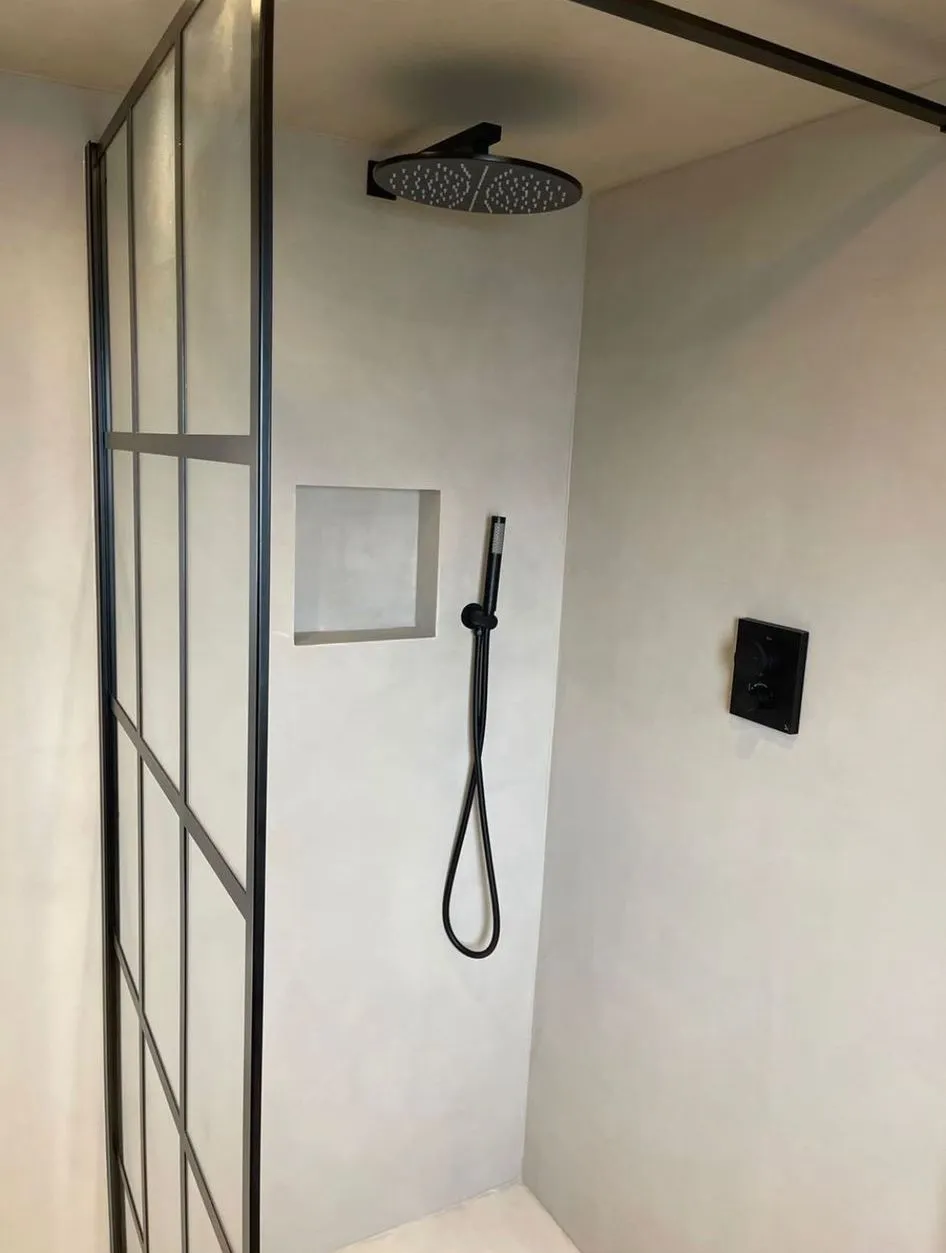
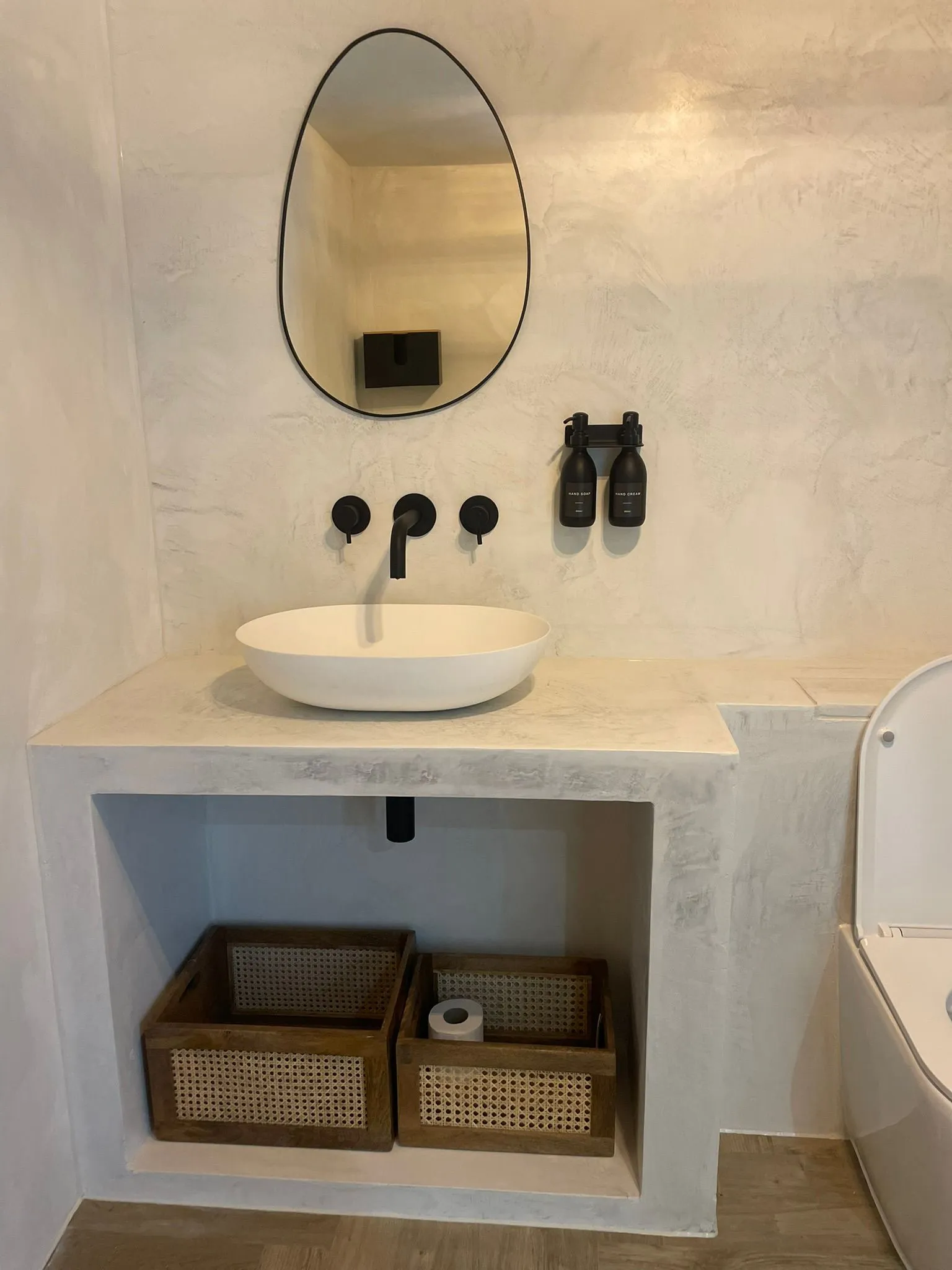
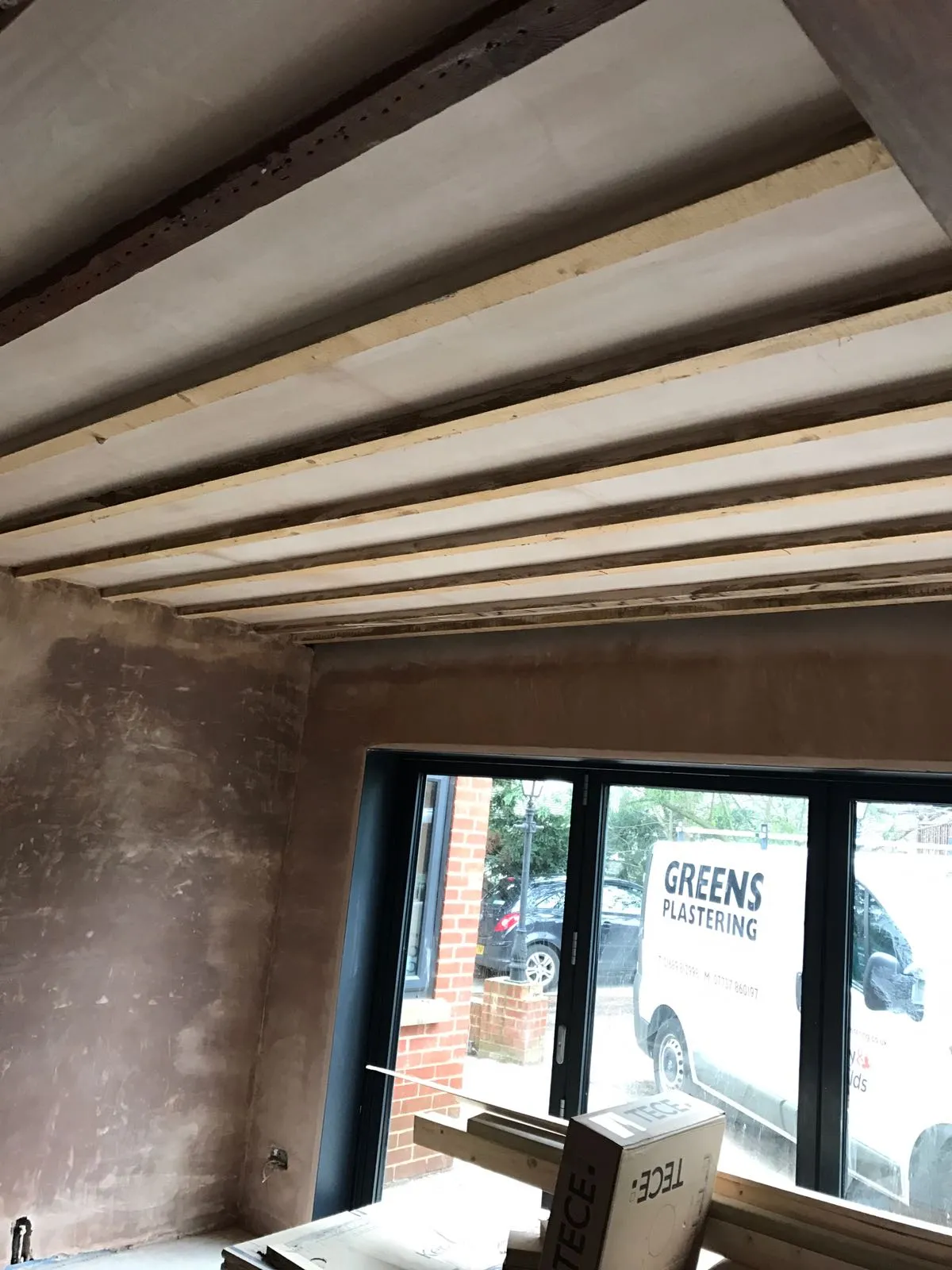
Explore examples of decorative mouldings and interior finishing work to inspire your own project.
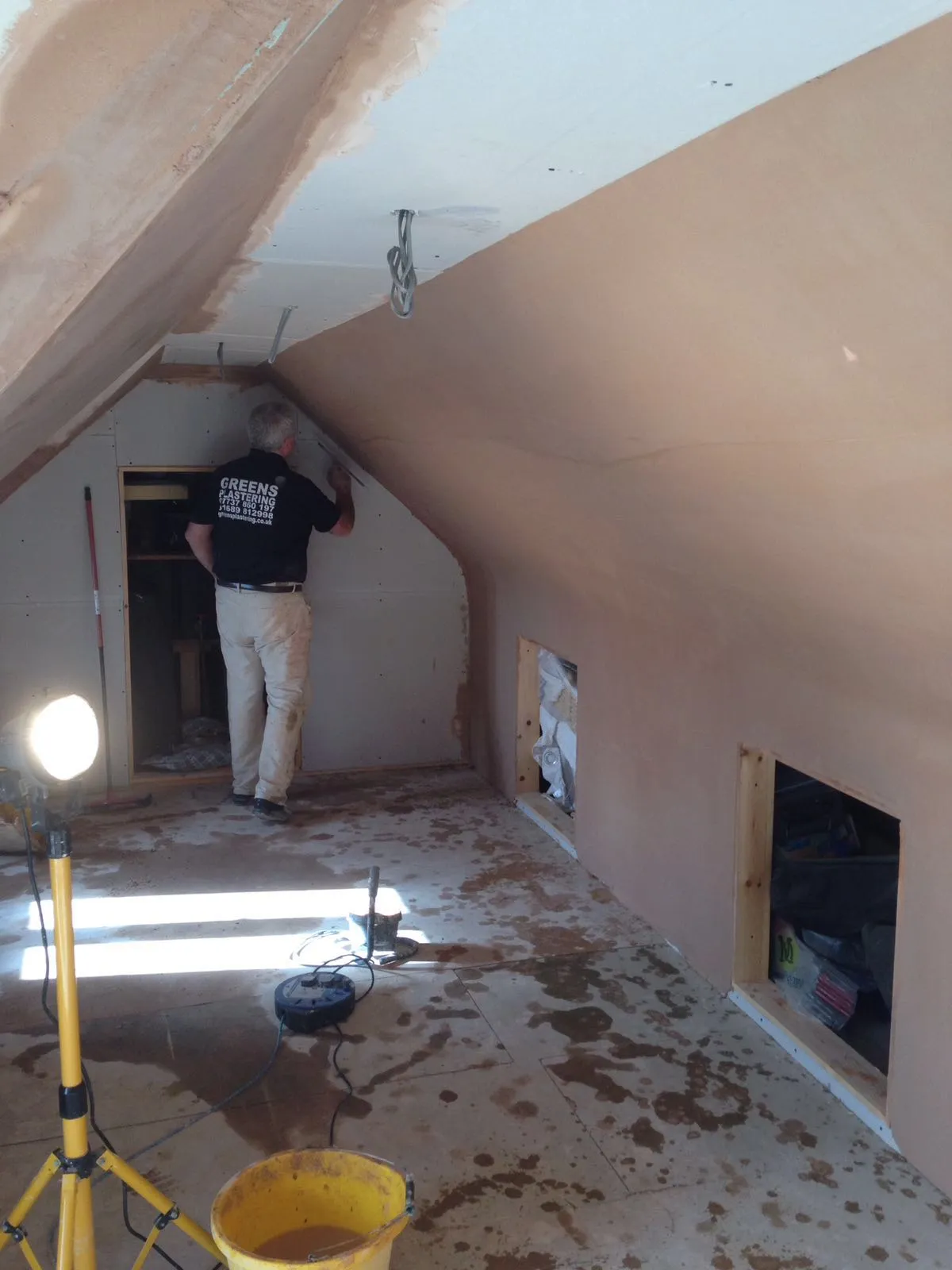
Choosing the right contractor for interior finishing can make a difference to the final result.
Read feedback from customers who have used Greens Plastering and learn about their experiences.

"The walls look so much smoother, and the finish has made a real difference to the room. Very pleased with the overall result."
Mr C Lamb . 25 Sefton Close, Orpington BR5 1RG
"The plastering has left the walls looking clean and even, ready for decorating. The finished result is exactly the kind of look we wanted."
Mr Bell . Swanley, Kent
If you're considering adding decorative mouldings to your home, you may have questions about styles, installation and preparation. Here are answers to some common questions.